Beyond the Pitch: Why International Experience Changes Young Players
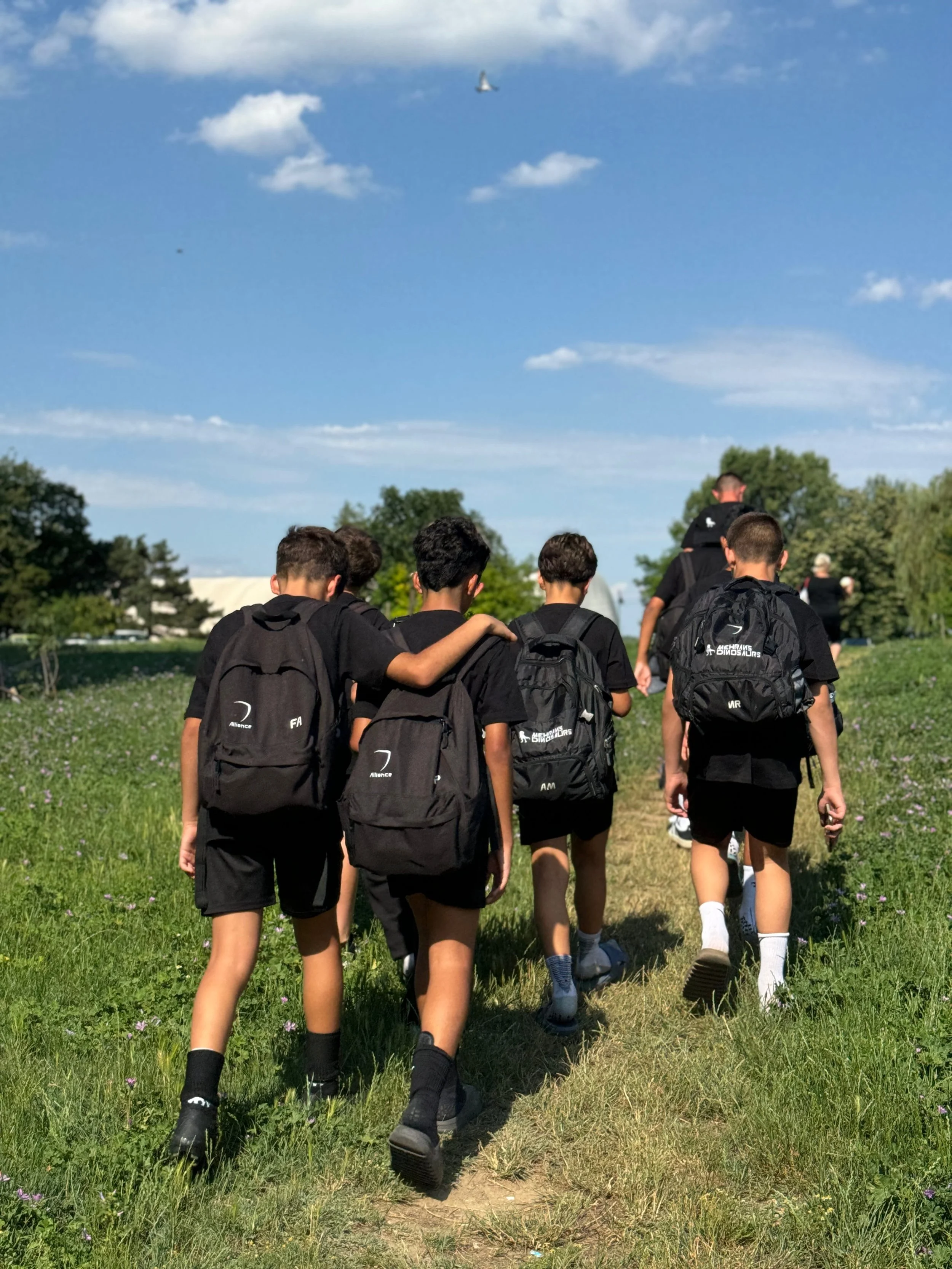
For most players, traveling without family and testing themselves against elite European competition will be the most defining moment of their youth career. It's not about the football alone.
Every young footballer has a moment where they stop thinking about the game locally and start wondering about the bigger picture. What do players in Europe look like? How fast is their game? Where do I actually stand? For players growing up in Dubai, that answer often stays abstract until they step onto a pitch thousands of miles from home.
In April 2027, a group of Alliance FC players will have that moment in Madrid.
MORE THAN FOOTBALL
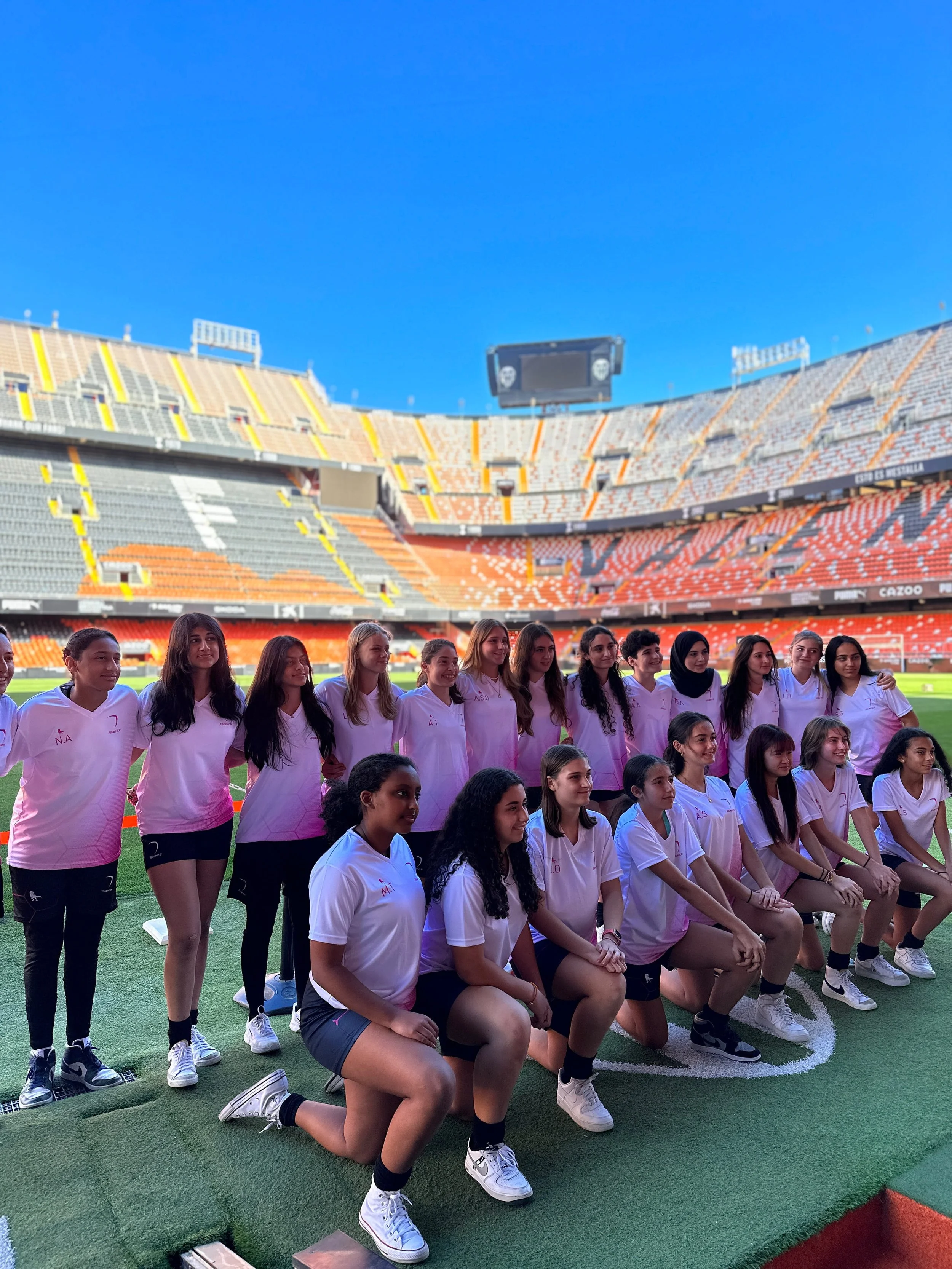
On the surface, the trip is straightforward: a week of training at elite Spanish facilities, competitive matches against academy teams, and watching a professional match in a world-class stadium. But what makes international trips transformative is not what happens on the pitch.
For most of these players, this will be their first time traveling without their families. Away from the familiar rhythms of home, without parents to fall back on, they'll navigate airports, hotel rooms, team meals, and the mental demands of competing in a foreign country with only their teammates. They'll be uncomfortable. That's the point.
The journey is as important as the destination
Character is not built on the pitch. It's built in the moments between matches, in the quiet of a hotel room before a game, in how you respond when things don't go your way 5,000 miles from home.
This is where the real development happens. Independence. Resilience. The ability to stay composed when you're away from your support system. The realization that you're tougher than you thought.
CONTEXT CHANGES EVERYTHING
Playing against Spanish academy teams is not like playing in Dubai. Spanish football has a different rhythm, a different tactical approach, a different standard of athleticism. Players will face defenders who are stronger and faster than anything they've encountered. They'll make mistakes. They'll be exposed in ways that force them to think deeper about their game.
That's valuable, but not because they need to "beat" these teams. It's valuable because it gives them context. Many young players grow up thinking they're good relative to their peers in their city. An international trip strips that away and replaces it with truth: This is what elite looks like. This is where the game is played at the next level. That clarity becomes a compass. Players either rise to meet the challenge or they don't, but at least they know what the challenge actually is.
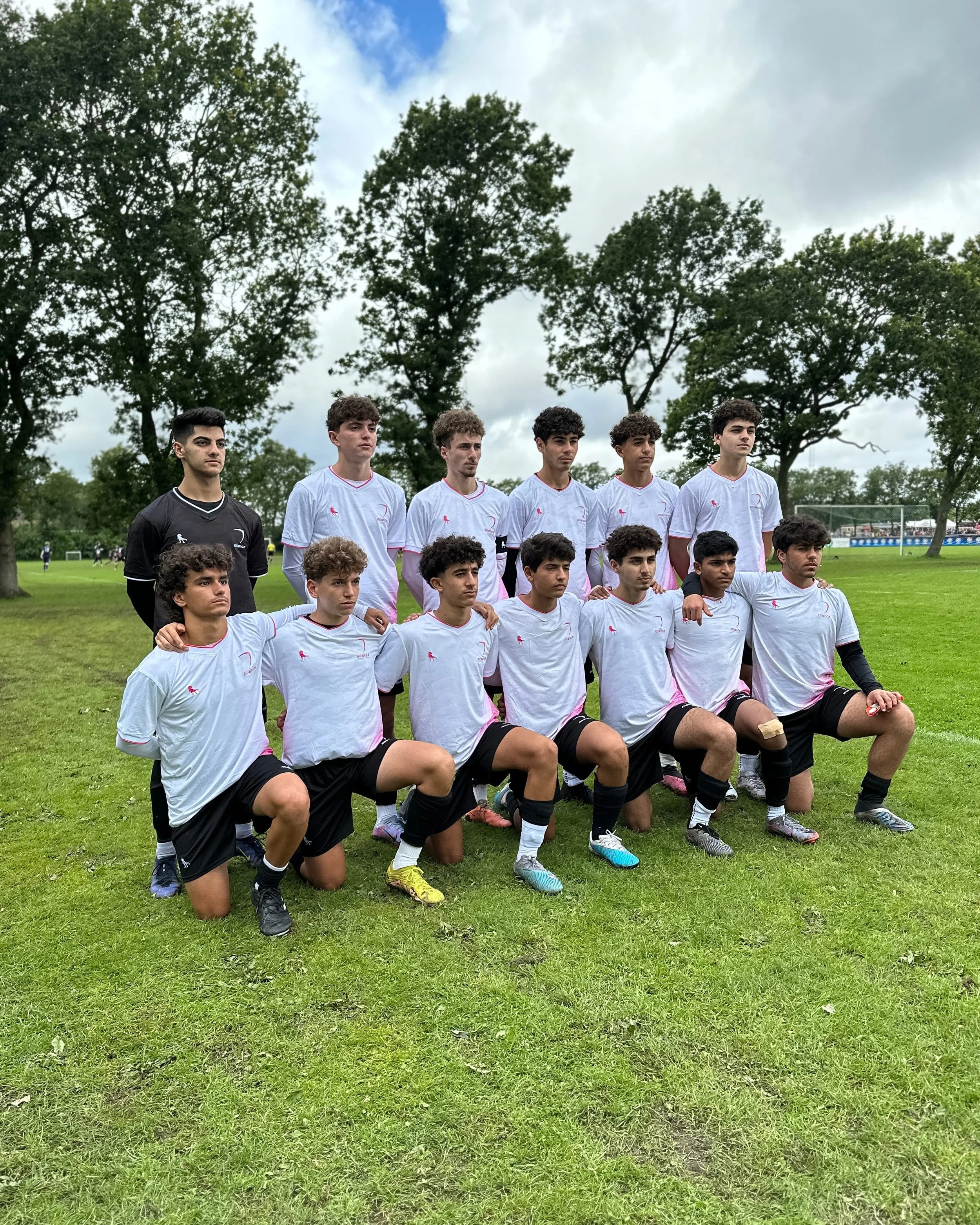
Testing themselves against a higher standard
THE REAL COMPETITOR
Football is a mirror. Competing at a higher level forces players to look honestly at their own game, their work ethic, their mentality. Some players will see themselves clearly for the first time and decide to train differently. Others will experience real failure and learn that losing doesn't define them. Still others will perform better than expected and realize they're capable of more than they believed.
None of this requires winning matches, though winning matters. What matters is that the player is tested against a standard outside their control. In that test, they learn something about themselves.
THE BONDS THAT LAST
Teams that travel together don't just share experiences. They share vulnerability. They're living together, training together, competing together, and often struggling together in an unfamiliar environment. The striker who wasn't getting minutes suddenly understands what his teammate is feeling. The defender who played poorly now knows how the goalkeeper felt after a difficult match. Shared adversity builds a different kind of trust than what you get in normal training.

Vulnerability creates bonds that last
These bonds often last long after the trip ends because they were forged in real conditions, not in the comfort of home.
WHAT ACTUALLY MATTERS
In five years, most of these players won't remember the exact scores of their matches in Madrid. They might not remember all the technical details they learned from Spanish coaches. But they'll remember how they felt when they first got off the plane. They'll remember the conversations in the hotel at night. They'll remember the moment they realized they could handle being uncomfortable. They'll remember the teammates who showed up for them when things got tough.
They'll remember that they grew.
That's what international football trips are actually about. It's about taking young people outside the boundaries of what they know and letting them discover what they're capable of. On the pitch and off it.